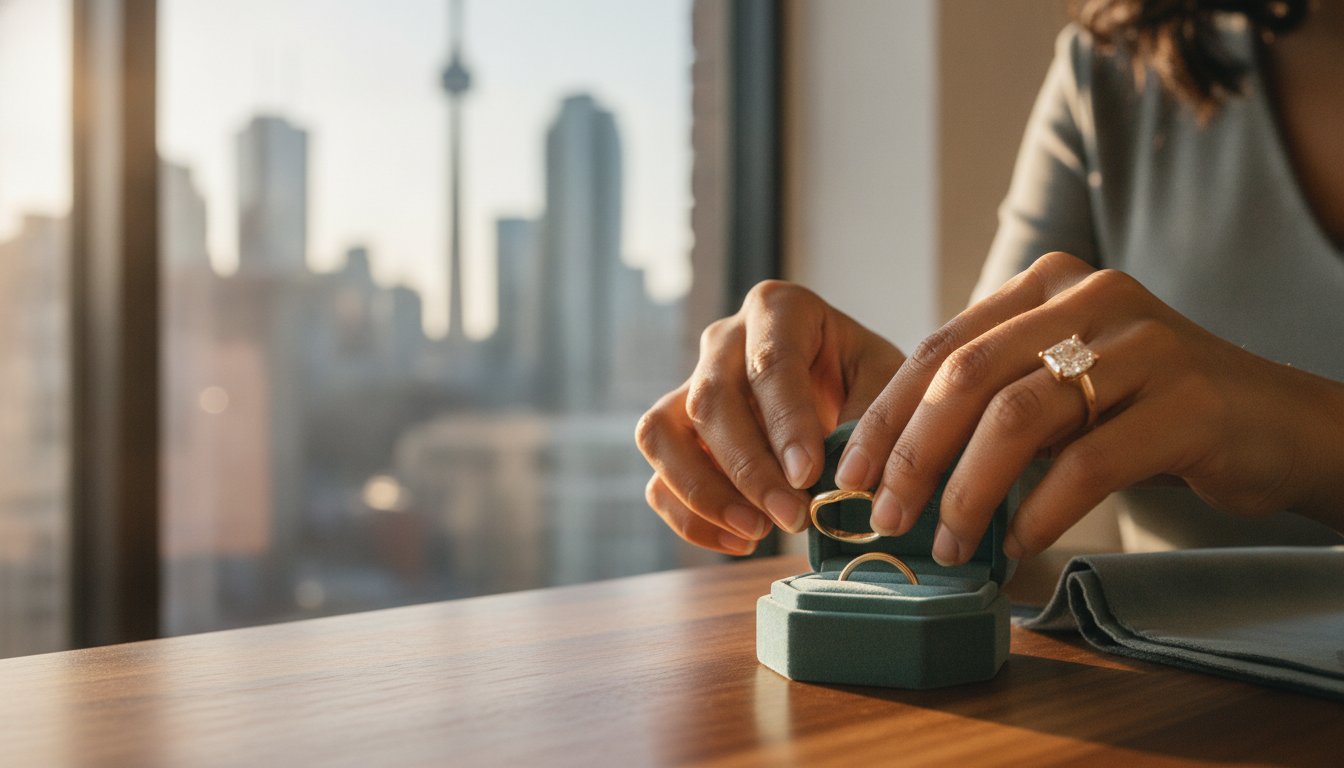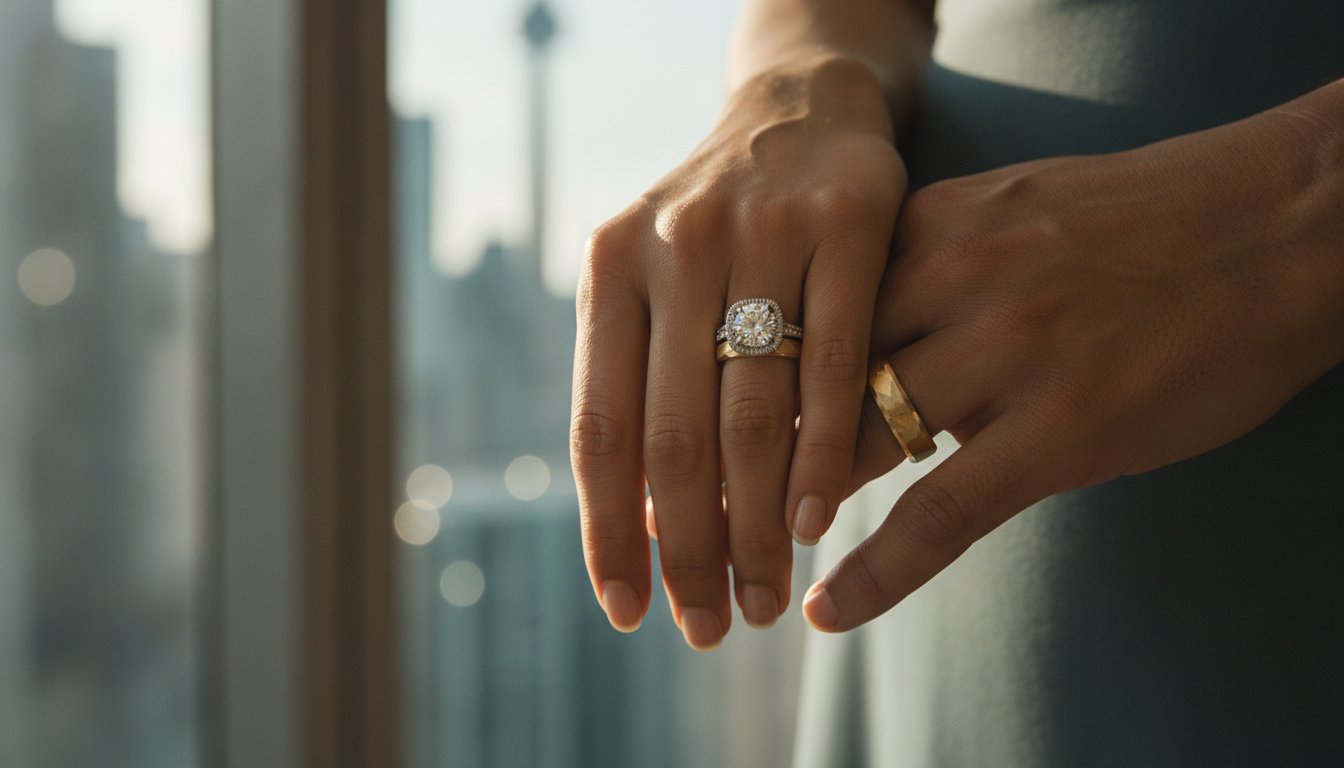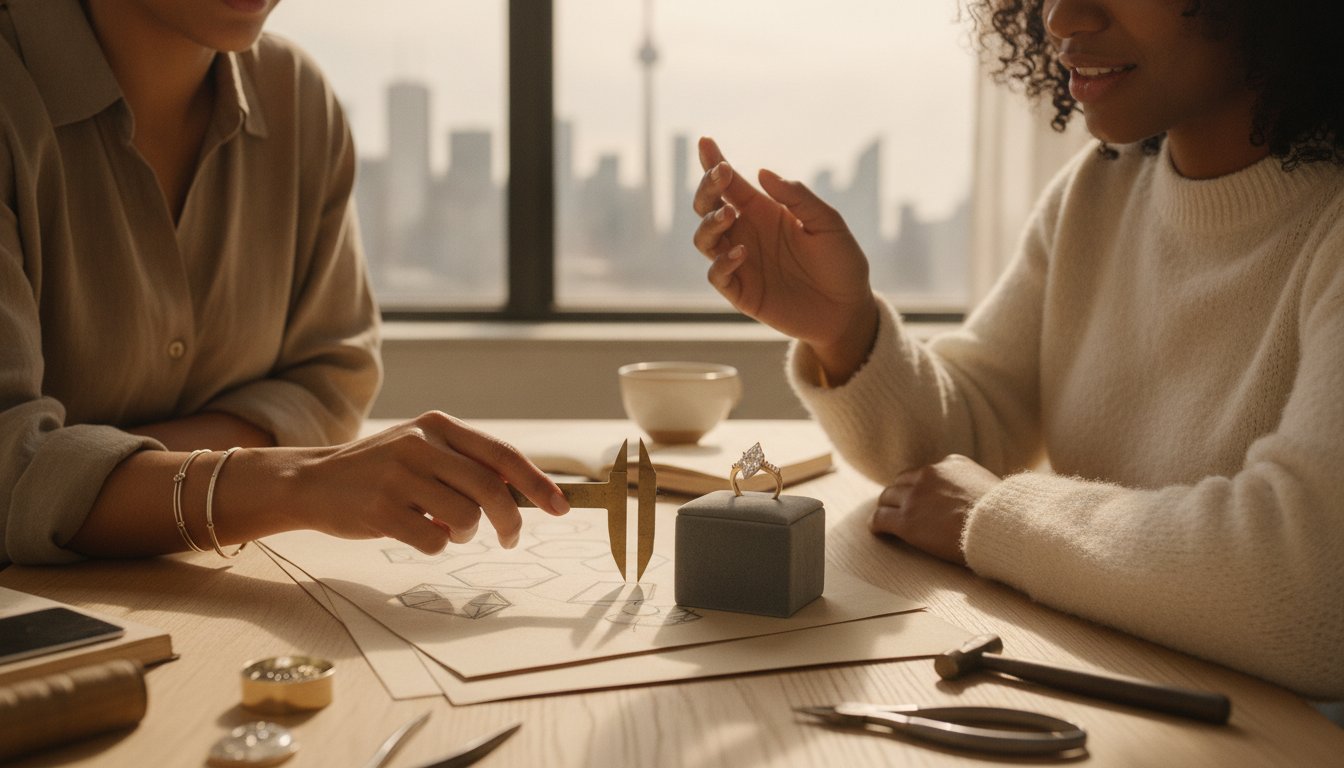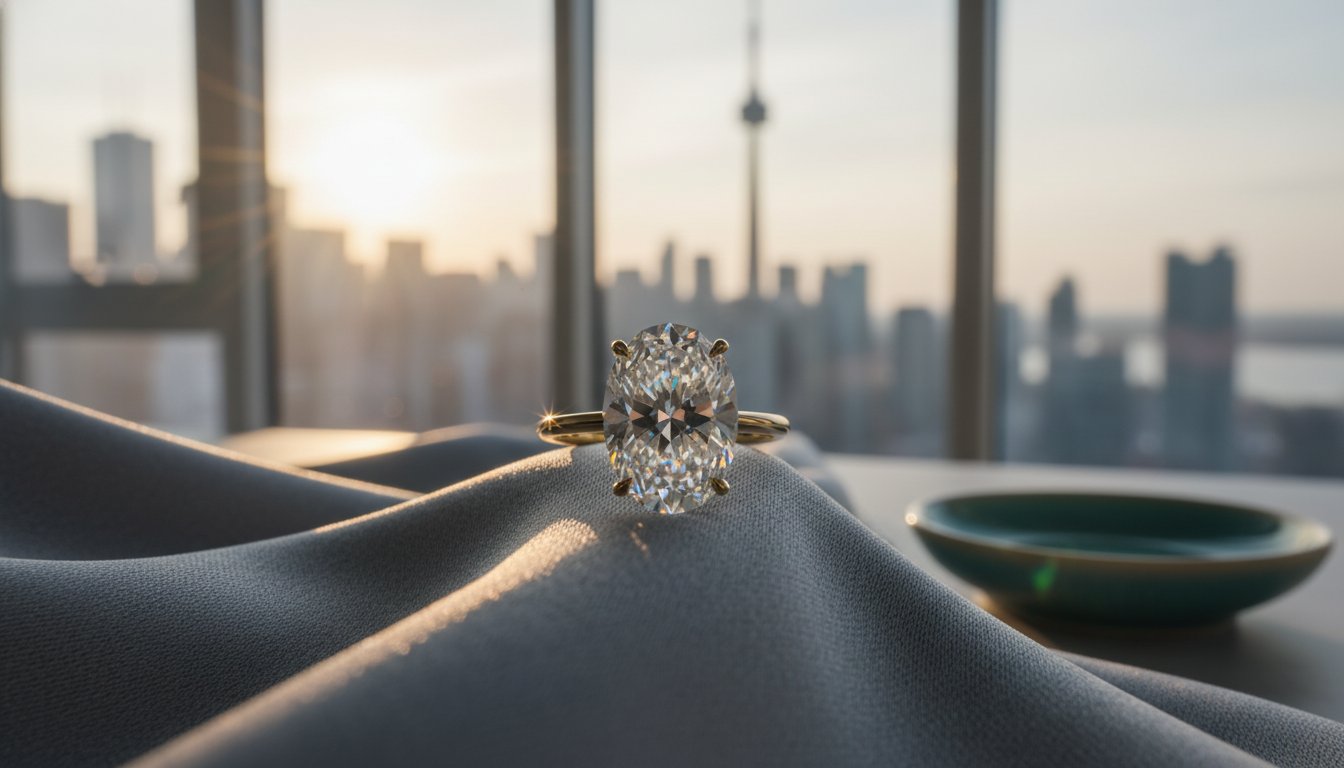
In 2026, nearly 90% of the couples I meet at my downtown Toronto studio are choosing lab diamond engagement rings over mined stones. It's a massive shift that has completely redefined how we think about luxury and value in the GTA. You've probably realized that you can secure a significantly larger, higher-quality stone for your budget; however, the sheer volume of generic online options often feels overwhelming. It's natural to worry about whether you're buying a "fake" or if the stone will truly hold its beauty over time.
I understand the pressure of wanting to make a smart financial choice while still creating a piece that feels deeply personal and permanent. In this guide, I'll show you how to navigate the current market to design a bespoke ring that balances master Canadian craftsmanship with investment-grade value. We'll explore the latest 2026 trends, from the resurgence of yellow gold to the technical nuances of "character" cuts. My goal is to ensure your journey from the initial vision to the final polish is entirely transparent, collaborative, and stress-free.
• Understand why lab diamond engagement rings are chemically identical to natural stones and how this allows you to maximize your budget in the 2026 market.
• Learn why I advise clients to focus 60% of their attention on the Cut to ensure their stone delivers the brilliance and fire they expect.
• Discover the specific colour-matching techniques used at our Toronto studio to help you select a stunning stone without overpaying for features you cannot see.
• See how we translate your vision into a bespoke ring through a process that blends modern 3D modelling with master Canadian craftsmanship.
I get asked this question daily at my downtown Toronto studio. The short answer is yes, provided you value both visual perfection and financial intelligence. To understand why, you first need to grasp what lab-grown diamonds are. They aren't "fakes" or lookalikes; they are optically, chemically, and physically identical to mined stones. They possess the same hardness and fire because they are made of the exact same carbon structure. They are simply grown in a controlled environment rather than pulled from the earth.
In the 2026 Toronto market, I've noticed a significant shift. Based on current consumer trends, approximately 90% of the couples I consult with now choose lab diamond engagement rings. This isn't just about saving money. It's about what that budget allows you to achieve. Instead of settling for a smaller, included natural stone, my clients are opting for 2-carat or 3-carat stones with exceptional clarity. Lab-grown options have moved from being a budget alternative to a symbol of mainstream luxury in the GTA.
In my experience, this choice is particularly popular for those designing custom halo or hidden-halo rings. Because the centre stone is more accessible, we can allocate more of your budget toward intricate metalwork and Master Canadian craftsmanship in the setting itself. It's a way to ensure the entire piece, not just the diamond, feels like an investment-grade heirloom that stands out in any room.
Modern Toronto couples demand a level of environmental and ethical transparency that was hard to find a decade ago. They want to know exactly where their stone came from. Beyond ethics, choosing lab-grown diamonds allows us to focus on the finer details of the design journey. We can spend more time perfecting the proportions of a custom band or the precision of a hidden gallery. This collaborative process ensures your ring is a unique reflection of your story, handcrafted right here in the city. If you want to see these stones in person, I invite you to book a private consultation at our downtown studio to compare your options side-by-side.
When helping couples select lab diamond engagement rings, the first question is always: "Is it actually a real diamond?" The technical answer is a firm yes. Major grading bodies like the GIA and IGI use the same criteria to grade these stones as they do for mined ones. They don't just look alike; they react to light in the exact same way. In my experience, clients choose lab when the goal is "maximum sparkle" for a specific budget. You aren't paying for the rarity of a geological event; you're paying for the technology and the precision of the cut.
| Feature | Natural Diamond | Lab-Grown Diamond |
|---|---|---|
| Origin | Mined from the Earth | Created in a laboratory |
| Price | Investment-grade | High-Value / Accessible |
| Resale Value | Typically 25-50% | Typically 10-30% |
| Carbon Footprint | Higher environmental impact | Lower environmental impact |
I've noticed that for many in Toronto, the decision comes down to how they view the purchase. If you want a stone that carries the heritage of being a finite natural resource, natural is the way to go. However, if you want a stunning, clear stone that allows for a more elaborate custom setting, lab diamonds are the smarter path. They offer what I call "wearable value." You get a breathtaking piece of jewellery for daily use without the investment-grade price tag of a mined stone.
This concept of "wearable value" isn't limited to rings; many couples also look for ways to match their aesthetic with other fine jewellery. For instance, reputable experts such as Brilliant Diamonds Fine Jewelers showcase how high-quality stones can be used to create timeless accessories that offer that same daily brilliance.
In 2026, the price gap has widened significantly. Lab-grown stones can be up to 83% less than natural diamonds of the same quality. This allows you to realize a much larger centre stone than you might have originally thought possible. To understand the science behind this, you can read more about lab grown diamonds and how they are synthesized. If you're feeling stuck between the two, it's often helpful to schedule a time to chat at my studio so you can see the brilliance of both options under a loupe.
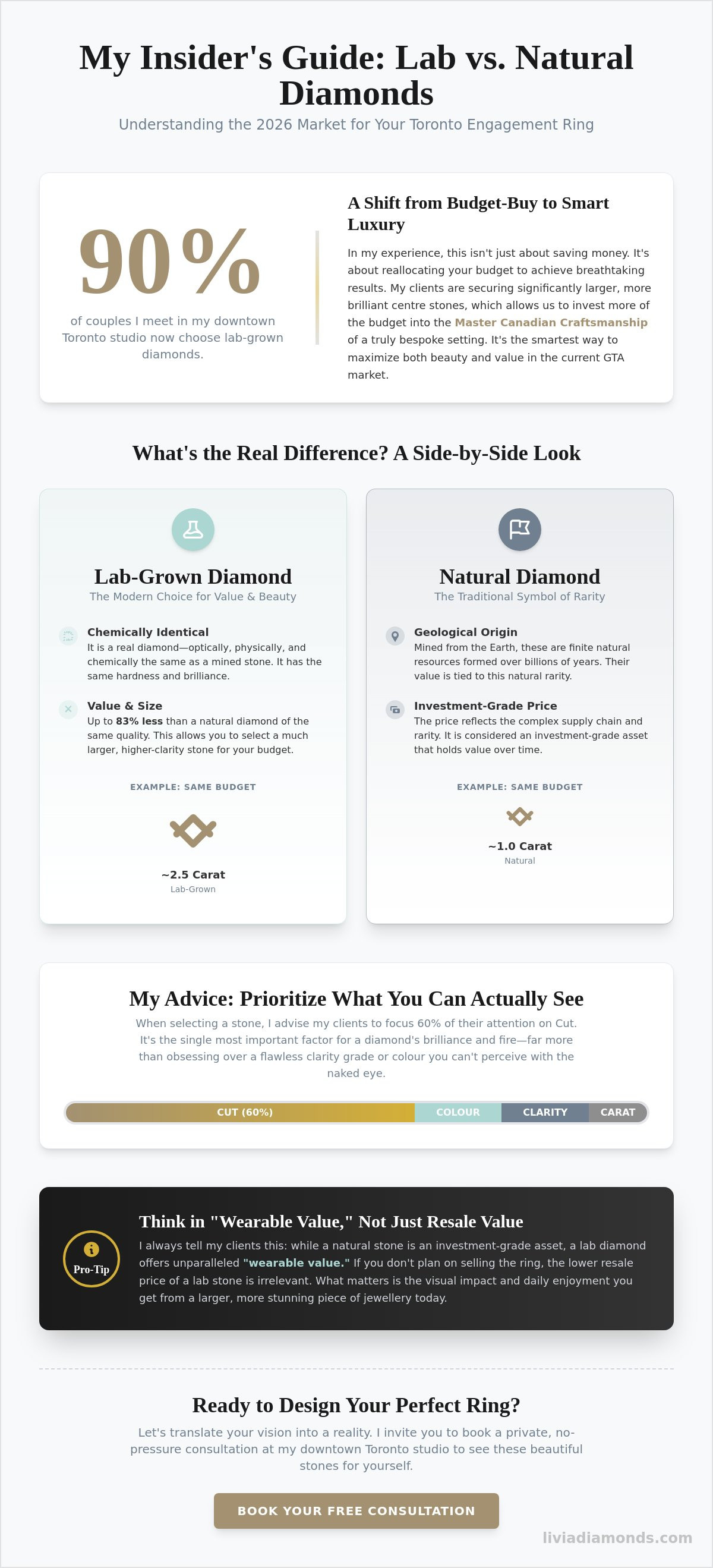
I've helped hundreds of couples select lab diamond engagement rings at my downtown Toronto studio, and the biggest mistake I see is focusing on the wrong numbers on a certificate. To get the best value, I recommend focusing 60% of your attention on the Cut. Think of the cut as the engine of the diamond’s brilliance. If the cut isn't precise, the stone will look dull and "dead" regardless of how much you spent on other factors. A perfectly cut stone will always look larger and more vibrant than a poorly cut one of a higher carat weight.
In my experience, you can often "colour-match" a lab stone to a lower grade than you would with a natural diamond without losing any visual appeal. Because of the controlled growth environment, a G or H colour lab stone often looks exceptionally white, especially when set in white gold or platinum. Another insider secret I look for during stone selection is the presence of "strain lines" in CVD-grown stones. These are faint, blurry patterns that can make a diamond look slightly hazy. It's a detail most generic online retailers won't mention, but it's something I verify under the loupe for every client to ensure the stone is crisp and clear.
When we work together, I'll help you break down the 4Cs to find the right balance for your specific vision. For lab-manufactured stones, the rules are slightly different than mined diamonds because the "floor" for quality is generally higher. We prioritize the cut first, then move to colour and clarity to find the "sweet spot" where you aren't paying for features you can't see.
This is the priority. Always aim for "Excellent" or "Ideal" to ensure maximum light return.
G or H is usually the best value in the 2026 market.
Focus on "Eye-Clean" SI1 or VS2.
With lab stones, you can finally afford the size you've always envisioned.
Regardless of which stone you choose, GIA or IGI certification is non-negotiable. This ensures the stone's quality is verified by an independent third party and protects your investment. If you're looking for a deeper dive into these standards, my guide on choosing a diamond engagement ring in Toronto covers the technical specs in detail. If you want to see these differences for yourself, book a private consultation at my studio and we can compare stones side-by-side.
I don't believe in mass-produced jewellery. When you choose lab diamond engagement rings, you're already making a modern, conscious choice, and the setting should reflect that same level of intentionality. At my downtown Toronto studio, we don't have rows of pre-made rings waiting for a price tag. Instead, every piece is a unique collaboration. We start with your specific vision, whether it's a rough sketch or a collection of saved photos, and we refine it until it's perfect.
The journey from a concept to a physical ring is a meticulous one. After our initial meeting, I'll translate your ideas into a high-precision 3D CAD model. This allows you to see every angle of the design and make adjustments before we ever touch the metal. Once you've approved the digital rendering, our local artisans bring it to life using Master Canadian craftsmanship. This hands-on approach ensures that the structural integrity of the ring matches the visual beauty of the stone. You can see real-world examples of our recent 2026 commissions in our custom gallery.
In my experience, clients often find a sense of relief when they realize there's no sales pressure here. My role as a third-generation jeweller is to act as your expert guide, not a salesperson. I'll help you understand the technical trade-offs of different metals and setting styles to ensure your custom engagement ring is built to last a lifetime. We'll sit down in a quiet, private setting at our downtown centre to discuss your budget and your style in detail. It's about education and vision, ensuring you walk away with an investment-grade piece you're proud of. If you're ready to start your design journey, I invite you to book a private consultation at our downtown Toronto studio today.
Choosing between the myriad of options for lab diamond engagement rings doesn't have to be a source of stress. By prioritizing the diamond's cut for maximum brilliance and understanding the "wearable value" these stones offer, you've already taken the most important steps toward a smart, stunning purchase. A ring is more than just a centre stone; it is a piece of Master Canadian craftsmanship that should reflect your unique story and stand the test of time.
I've spent my life as a third-generation jeweller helping couples navigate these choices with transparency and precision. Whether we are discussing eye-clean clarity or perfecting a 3D model of your vision, my goal is to ensure you feel confident in every decision. You deserve a one-on-one private studio experience where your questions are answered with honesty rather than high-pressure sales tactics.
If you're ready to see the brilliance of these stones in person and begin designing your heirloom, I'm here to guide you. Book your free private consultation with Aret in downtown Toronto to start your journey today. Let's create something truly lasting together.
No, lab-grown diamonds do not get cloudy over time because they are physically and chemically identical to mined diamonds. They possess a hardness of 10 on the Mohs scale, meaning they are incredibly durable and won't fade or lose their brilliance. If a stone appears dull, it's almost always due to surface oils or dirt. A quick cleaning at my downtown Toronto studio can easily restore that original fire and sparkle.
Yes, a lab diamond will test as a real diamond on standard thermal and electrical conductivity testers. Since these stones are made of pure carbon, they react to testing equipment in the exact same way as diamonds pulled from the earth. Specialized laboratory equipment is required to distinguish between the two. This is why I always provide independent certification from the GIA or IGI to verify the stone's origin and quality.
You can absolutely insure your lab diamond engagement rings through any major Canadian insurance provider. The process is identical to insuring a natural stone; you simply provide the insurer with an independent appraisal and the diamond's certification. In my experience, clients often find that the lower replacement cost of a lab stone leads to more affordable annual premiums while still providing full protection for their investment.
Lab diamonds are more affordable because the supply chain is significantly more efficient and lacks the high overhead costs of earth mining. By 2026, technology has advanced to the point where we can grow high-quality carbon crystals in a matter of weeks. You aren't paying for the scarcity of a geological event. Instead, you are paying for the technical precision of the growth process and the artistry of the final cut.
Creating a bespoke piece at our downtown studio typically takes between three to four weeks from our initial consultation. This timeline allows us to move through the discovery phase, perfect your 3D CAD model, and complete the handcrafting process with the meticulous attention to detail your vision deserves. While mass-produced retailers might offer faster turnarounds, the care required for true bespoke work is worth the short wait for a lifetime heirloom.

© Copyright 2023 Livia Diamonds. All Rights Reserved